
 By
By 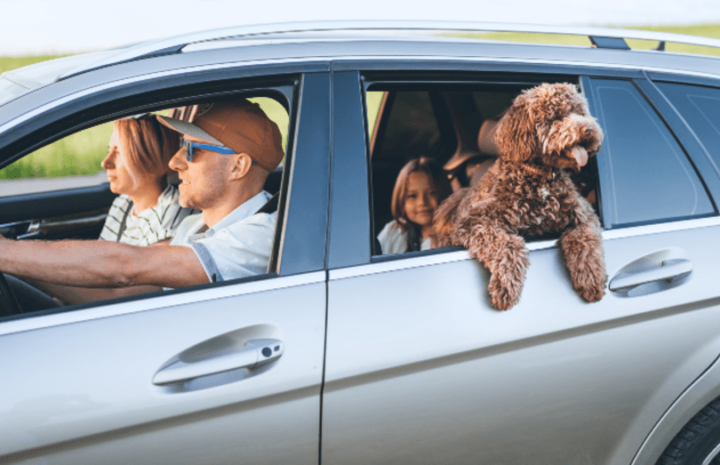
Packing the kids, the dog, and a week’s worth of luggage into one vehicle is a test of patience. The right SUV makes that test feel easy, and the 2026 crop of three-row family haulers has raised the bar on what counts as travel ready.
- Top crash-test ratings and standard driver-assist tech now decide which SUVs families trust most.
- Flexible seating, smart storage, and a quiet cabin matter just as much as horsepower on long hauls.
- Bigger screens and wireless phone connectivity have become standard rather than luxury add-ons.
Safety Is the First Box to Check
For most parents, crash protection sits at the top of the list. Today’s family SUVs come packed with advanced crash protection systems, smarter driver-assist technology, and stronger structural engineering. For growing families, safety often ranks as the number one priority, even ahead of fuel economy or horsepower. The competition is fierce, partly because the rules got stricter. IIHS standards became harder in 2026, and because of those changes, fewer SUVs qualified for the highest safety awards compared to previous years.
The Honda Pilot is one example of a model that clears the higher bar. The 2026 Pilot earns a 5-Star overall safety rating from the National Highway Traffic Safety Administration and the Top Safety Pick award from the Insurance Institute for Highway Safety, which means strong results from the two top safety authorities in the U.S. For families still in car-seat mode, the details matter too. It also earns a “Good+” score from the IIHS in the LATCH ease-of-use category, marking one of the more user-friendly child-seat anchor systems in its class.
Seating That Bends to Your Needs
A road trip vehicle has to switch jobs constantly. One day it carries eight people, the next it hauls camping gear. One of the biggest factors when picking a family SUV is the comfort and accessibility of the third row, whether adult-friendly space is available, and whether a sliding second row makes getting in and out quick.
Some models get clever here. The Pilot has a seating feature borrowed from the Odyssey minivan, with a removable second-row middle seat that stows beneath the cargo floor. You can keep it installed for an extra seat or take it out for the comfort of captain’s chairs. That kind of flexibility is gold when the seating chart changes by the hour.
Cargo, Comfort, and a Quiet Cabin
Long-distance comfort separates the merely roomy from the genuinely trip-ready. Plenty of headroom and legroom matter for taller passengers on long drives, and a practical family SUV needs room for groceries, sports gear, and strollers, with fold-flat versatility and underfloor storage for smaller items. The Pilot leans into that idea with cargo space of up to 113.7 cubic feet, a hidden compartment for valuables, and one-touch second-row seats that make loading passengers and gear simple.
Highway noise wears everyone down, so cabin quiet has become a selling point. For 2026 the Pilot cabin is quieter thanks to new semi-tempered door glass, door insulators, a new hood insulator, and other sound-absorbing materials that cut engine, road, and wind noise. If you’re shopping a tighter budget, used SUVs from the last few model years often deliver most of this comfort for far less money, which is worth weighing against the newest tech.
Tech That Keeps Everyone Connected
Screens and charging ports keep the peace on a six-hour drive. Automakers have responded by making once-optional features standard. Every 2026 Pilot now comes with a new 12.3-inch touchscreen that is 37% larger than before, plus standard wireless Apple CarPlay and Android Auto, Google built-in, 5G Wi-Fi hotspot capability, and a larger 10.2-inch digital driver display. Power outlets scattered through the cabin matter just as much. A smart storage layout and generous outlet placement make a vehicle easy to appreciate on long drives.
How to Pick the One That Fits Your Family
No single SUV wins every category, so the smart approach is matching the vehicle to how your family actually travels. Think about the Atlas for maximum space, the Highlander for long-term reliability, the Pilot if comfort is a priority, and the Subaru Ascent for all-weather confidence. Test a few with the whole crew aboard, load it like you would for a real trip, and the right one tends to make itself obvious.
This post may contain affiliate links. Meaning a commission is given should you decide to make a purchase through these links, at no cost to you. All products shown are researched and tested to give an accurate review for you.