
 By
By 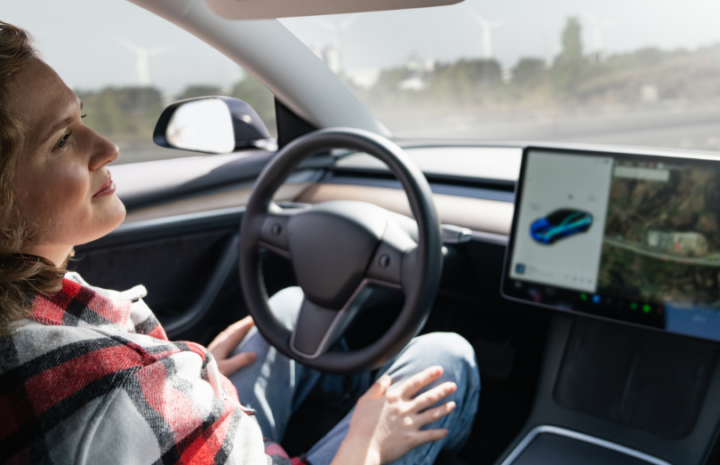
Drive through any parking lot today and you’ll see cars that can practically drive themselves on highways. What seemed like science fiction ten years ago has become standard equipment on plenty of mainstream vehicles. The tech keeps getting smarter, the prices keep dropping, and more drivers are discovering how these systems can make their daily commute way less exhausting.
- Adaptive cruise control systems now handle stop-and-go traffic automatically, maintaining safe distances from vehicles ahead without constant speed adjustments from the driver.
- Lane-keeping technology has gotten sophisticated enough to handle gentle curves and keep vehicles centered, reducing the mental load during long highway stretches.
- These features used to cost thousands extra on luxury cars but are now appearing as standard equipment on models under $30,000.
The biggest shift in automotive safety over the past few years comes down to automation that actually works. Cars can now read the road ahead using a mix of cameras, radar sensors, and sometimes GPS data. They process all that information faster than you can blink and make micro-adjustments to speed and steering.
Take adaptive cruise control as an example. The old cruise control from your parents’ minivan just held one speed until you hit the brake. Today’s version uses radar to watch the car ahead of you. If that Honda CR-V slows down for traffic, your car slows down too. When traffic opens up again, you’re back to your set speed without touching a single pedal. Stop-and-go capability means the system can bring you to a complete halt in bumper-to-bumper traffic and then start moving again when things get going.
Lane-keeping assist works differently across brands, and the quality varies quite a bit. Some systems just give you a gentle nudge if you drift toward the lane markers. Others actively steer the car to keep you centered between the lines. The better systems can follow curves and handle highway interchanges without any drama.
Here’s where things get interesting. When you combine adaptive cruise with solid lane-keeping tech, you get something that feels surprisingly close to autonomous driving. Ford calls their version BlueCruise. GM has Super Cruise. Kia’s Highway Driving Assist system pairs adaptive cruise with lane-centering to handle both speed and steering on mapped highways. These setups can manage long stretches of interstate driving while you keep your hands lightly on the wheel and your eyes on the road.
The catch is that none of these systems let you zone out completely. Every manufacturer includes monitoring to make sure you’re still paying attention. Some use steering wheel sensors that detect hand pressure. The more advanced setups have cameras watching your eyes to verify you’re looking at the road. If you ignore too many warnings, the system shuts itself down.
What’s wild is how fast this tech has moved down the price ladder. Five years ago, you needed a $60,000 Mercedes to get adaptive cruise and lane-keeping. Now you’ll find it standard on a base model Honda Civic or Toyota Corolla. The 2025 Hyundai Elantra comes with the full suite right out of the gate. Even compact crossovers like the Subaru Crosstrek and Mazda CX-50 pack these features into their entry trims.
The tech isn’t perfect yet. Heavy rain or snow can confuse the cameras and radar. Construction zones with wonky lane markings cause problems. Some systems ping-pong between lane edges on certain curves instead of holding a smooth line. Driver monitoring varies widely too. Honda’s system just deactivates if you take your hands off too long, which seems less than ideal if you’re having a medical emergency. Ford and GM do better by slowing the vehicle and activating hazards.
Different brands have different approaches to how aggressive their systems feel. Tesla’s Autopilot is smooth but requires constant vigilance despite the misleading name. Consumer Reports gave Ford’s BlueCruise top marks for balancing capability with proper driver monitoring. Nissan’s ProPILOT Assist 2.0 can even help with lane changes when you signal. Volvo’s Pilot Assist works well but can surprise you when it suddenly deactivates in poorly marked construction zones.
The real benefit shows up on road trips. That five-hour drive to visit family becomes way less tiring when the car handles the boring parts of highway cruising. Your shoulders don’t get as tense. You arrive feeling less drained. The systems shine in slow-moving traffic too, where the constant gas-brake-gas dance normally wears you down.
Making the Smart Choice When You Shop
If you’re shopping for a new car and want these features, do your homework on which brands execute them well. Test drive on actual highways, not just around the dealer’s block. See how the lane-keeping feels through real curves. Check if adaptive cruise has the stop-and-go function. Ask about driver monitoring systems. Read reviews from people who’ve lived with the car for thousands of miles, not just the first week.
The safety tech available today would have blown minds a decade ago. We’re not at full self-driving yet, but we’re at a point where your daily commute can feel a whole lot easier. The systems keep improving with each model year, prices keep falling, and more people are discovering that highway driving doesn’t have to be such a grind anymore.
This post may contain affiliate links. Meaning a commission is given should you decide to make a purchase through these links, at no cost to you. All products shown are researched and tested to give an accurate review for you.