
 By
By 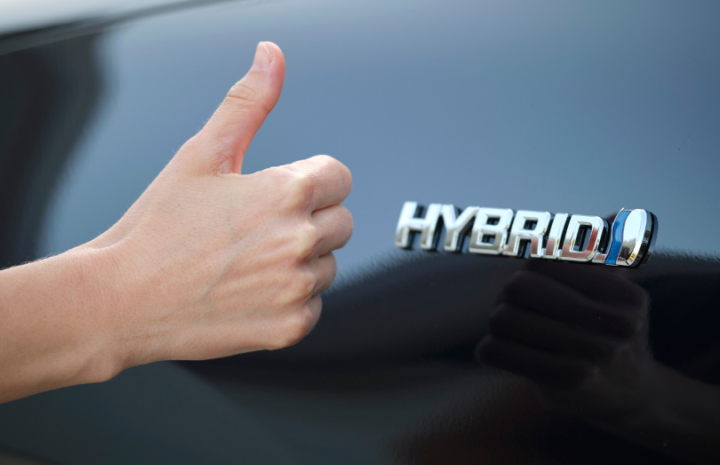
Walk into any dealership today and you’ll notice something different. The conversations have changed. Buyers aren’t just asking about gas mileage anymore. They want to know about batteries, charging times, and whether they can really trust an electric vehicle to get them through a Midwest winter. That’s where hybrids come in, and they’re selling faster than anyone predicted.
- Hybrid vehicle sales jumped 44% in 2024, capturing over 10% of the total car market
- Dealerships are overhauling their inventory strategies to stock more fuel-efficient models
- Consumer demand for hybrids is outpacing pure electric vehicles as buyers seek a middle ground
The Numbers Tell a Clear Story
Something remarkable happened in the car market over the past year. While everyone was talking about the electric vehicle revolution, hybrid sales quietly surged ahead. By the third quarter of 2024, hybrids reached a record 10.8% of all vehicle sales in the United States. That’s a bigger slice of the market than most analysts saw coming.
The growth isn’t slowing down either. Sales of conventional hybrids increased 37% from 2023 to 2024, while battery electric vehicles only grew 7% during the same period. Buyers clearly want better fuel economy, but they’re not ready to commit to plugging in every night.
Toyota Shows the Way Forward
Nobody has ridden the hybrid wave quite like Toyota. The company sold over one million electrified vehicles in 2024, with the vast majority being hybrids rather than plug-in models. By mid-2025, electrified vehicles made up nearly 50% of their total sales.
Toyota Dealers across the country report that customers who walk in curious about electric options often drive home in a hybrid instead. The RAV4 Hybrid, Camry Hybrid, and Prius continue flying off lots faster than dealerships can restock them. One dealer near Kansas City mentioned that buyers had to wait a month for their vehicles to arrive, primarily because of heavy customer demand.
What makes this trend interesting is that Toyota didn’t pivot away from hybrids when other manufacturers went all in on pure EVs. Their multi-pathway approach, which includes gas, hybrid, plug-in hybrid, and full electric options, seems to be paying off.
Why Buyers Choose Hybrids Over EVs
Price plays a huge role. The average electric vehicle costs around $59,200, compared to $47,500 for the overall new car market. Hybrids typically fall somewhere in between, offering better fuel economy without the sticker shock.
Range anxiety is real. People living in colder climates worry about battery performance in winter. Tests from Norway, where nearly 80% of new vehicles are electric, found that EVs can lose between 10% and 36% of their range during cold weather. Hybrids eliminate that worry completely.
Then there’s the charging infrastructure question. While networks are expanding, finding a fast charger still requires planning in many parts of the country. Hybrids let buyers skip that hassle entirely while still getting 45 to 50 miles per gallon.
Dealerships Adapt Their Game Plans
Smart dealerships are reshaping their inventory to match buyer preferences. That means stocking more hybrids and training sales staff to explain the technology properly. The education piece matters because many customers don’t fully understand how hybrids work or why they might be a better fit than a pure EV.
Some dealers report that hybrids help them steal customers from competing brands. When shoppers compare similar models, they’re often willing to switch brands if one offers a hybrid version and the other doesn’t. For ten popular models, the hybrid version commands a price premium of over 10%, yet buyers still choose them.
Inventory management has become more data driven. Dealerships are using analytics to stock the right mix of powertrains based on local demand patterns. What sells in California might sit on the lot in Michigan, so regional strategies matter more than ever.
What the Future Holds
Manufacturers are taking notice. Ford plans to quadruple hybrid sales by 2028. GM reversed course and brought plug-in hybrids back to North America after initially abandoning them. Honda wants to double hybrid sales by 2030. Even companies that bet heavily on pure EVs are now hedging with more hybrid options.
The debate about whether hybrids are a bridge to full electrification or a long term solution continues. Critics argue that hybrids don’t go far enough to reduce emissions. Supporters say they make the transition easier for buyers who aren’t ready to go fully electric.
Either way, the market has spoken. Consumers want options that give them better efficiency without forcing major lifestyle changes. Hybrids deliver on that promise.
Where This Leaves Car Shoppers
If you’re in the market for a new vehicle, hybrids deserve serious consideration. They cost less than EVs, require no charging infrastructure, and deliver impressive fuel economy. Reliability has improved significantly since the early days of hybrid technology, with Consumer Reports finding hybrids to be the most dependable powertrain type available.
The used hybrid market is heating up too. Three to four year old hybrids are becoming scarce because demand is so strong. That scarcity helps values hold steady, which is good news if you’re looking to trade in a hybrid but challenging if you’re trying to buy one.
Dealerships will keep adjusting their strategies as buyer preferences shift. The ones that stock the right vehicles, train their teams properly, and understand what customers actually want will come out ahead. The hybrid boom isn’t showing any signs of slowing down, and that’s reshaping how America buys cars.
This post may contain affiliate links. Meaning a commission is given should you decide to make a purchase through these links, at no cost to you. All products shown are researched and tested to give an accurate review for you.