
 By
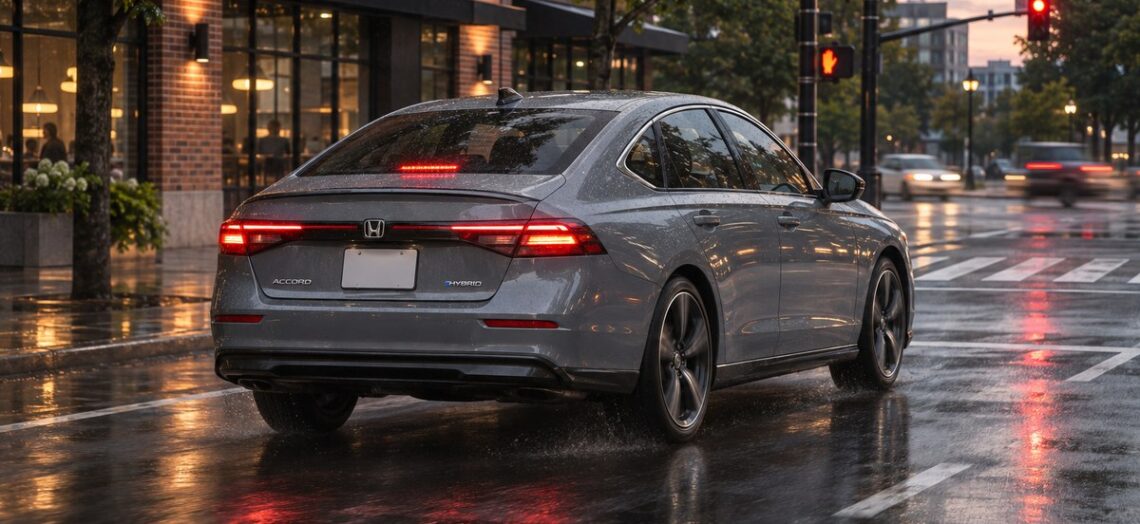
The first time you slow down in a hybrid, you may notice the car seems to slow a little on its own as soon as you lift off the gas. That isn’t your imagination. Your hybrid is quietly turning its forward motion back into electricity, and once you know how it works, you can drive in a way that gets the most out of it.
- As you slow down, the wheels turn the electric motor so it works as a generator, which slows the car and sends some of the recovered energy to the battery instead of losing it all as heat.
- The car’s computer blends motor braking with the regular friction brakes, so light stops lean on the motor and harder stops bring in the pads.
- Smooth, early braking when traffic allows makes the most of the system and can reduce pad wear, but safe stopping always comes first.
Where the Energy Goes When You Slow Down
Every moving car carries kinetic energy. In a regular gas car, the brakes squeeze pads against discs or shoes against drums, and that energy turns into heat and is gone for good.
A hybrid takes a smarter path. When you ease off the gas or press the brake pedal, the wheels begin driving the electric motor, which now acts as a generator. Producing electricity creates resistance that slows the car, and part of the captured energy flows back to the hybrid battery.
The vehicle can use that stored energy later, including to help drive the wheels. How much it recovers depends on the vehicle, how much charge the battery can accept, and how you slow down.
How the Motor and the Brake Pads Share the Work
Your hybrid still has normal hydraulic brakes, and it needs them. Motor braking works well for gentle slowing but isn’t as dependable in an emergency stop, so hybrids and EVs use both systems together.
The car’s control computer handles the split. Toyota hybrids, for example, usually use the motor for light braking and add the conventional brakes for harder stops. This is often called brake blending.
Some vehicles give you more control. The Chrysler Pacifica Hybrid and Jeep 4xe models offer a Max Regen setting that changes how the vehicle slows when you lift off the accelerator. Other cars have a steering wheel paddle that activates regenerative braking. With one-pedal driving, simply lifting off the gas slows the car. Nissan Leaf models with e-Pedal work this way, and the brake lights switch on automatically once deceleration is strong enough. For more stopping force, press the brake pedal.
Why the Pedal Feels a Little Strange at First
Because the car mixes two kinds of braking, the pedal may feel different from your old sedan’s. The difference comes from the computer handing work back and forth between the motor and the pads as you press. Older hybrids and early EVs were known for a sometimes jarring feel, worth noting if you’re shopping used. Newer systems are better but may still take some getting used to. After some practice, smooth stops should start to feel more natural.
The payoff can show up at the repair shop. Because the motor handles much of the everyday slowing, regeneration can slow pad wear. Even so, follow the brake inspection schedule in your owner’s manual.
There is one catch. Brakes that rarely get used can corrode, so rotors may rust even when the pads look nearly new.
Smart Habits That Get More From Every Stop
Look farther down the road so you can spot slowdowns sooner. When traffic allows, start slowing early and brake smoothly. Regeneration can feel weaker when the battery is full or cold, so use the brake pedal whenever needed and never delay braking to recover energy. Safe stopping always comes first.
Coasting toward a red light and lifting early when traffic slows both help. If your car has Max Regen or a regen paddle, try it on a quiet road first. In the city, a single slowdown from low speed leaves less energy to capture, but constant stop-and-go traffic gives the system many chances to recover it.
Give Your Hybrid Room to Slow Down
You don’t need special skills to benefit. Paying attention to how your car slows, and braking smoothly when it is safe, lets the system do more of the work. Each stop only adds a little, but those gains build up into better efficiency and longer-lasting brake pads. Give the car a little more room to slow down, and keep up with those brake inspections.
This post may contain affiliate links. Meaning a commission is given should you decide to make a purchase through these links, at no cost to you. All products shown are researched and tested to give an accurate review for you.