
 By
By 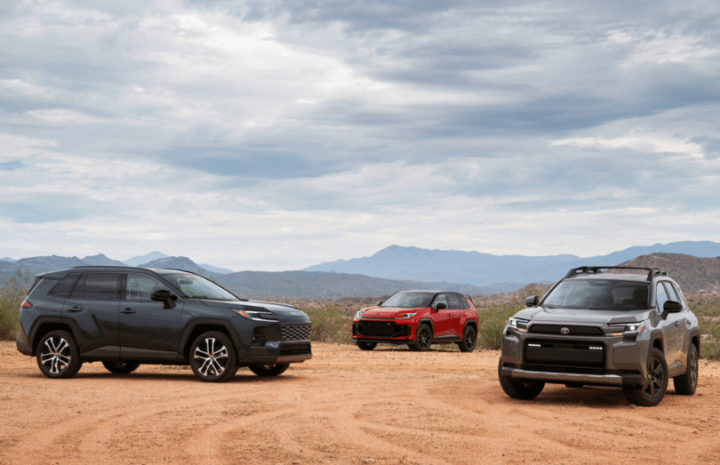
Shopping for used compact SUVs doesn’t have to feel like gambling with your savings. The sweet spot sits right around that 3-5 year mark, where you skip the brutal new-car depreciation but still get modern safety tech and decent gas mileage. Honda CR-Vs and Mazda CX-5s keep showing up on every reliability list for good reason, while Toyota RAV4s practically print money when it’s time to resell. What you’re really after is cargo space that swallows your gear, back seats that don’t torture passengers on road trips, and enough ground clearance to handle winter weather without needing a plow.
- Toyota RAV4 retains about 70% of its value after five years, beating most competitors by a wide margin.
- Honda CR-Vs and Mazda CX-5s regularly run past 150,000 miles with minimal drama when you keep up with basic maintenance.
- Hyundai Tucson models bring luxury features to used compact SUVs at lower prices, though they depreciate faster than Toyota and Honda options.
Why Some Compact SUVs Keep Their Value While Others Tank
Used car markets don’t play favorites randomly. Walk into any dealership and certain used compact SUVs command premium prices even with 60,000 miles on them. Toyota built its reputation on vehicles that refuse to quit, and resale numbers reflect this reliability. Five-year-old RAV4s still sell for about 70% of their original sticker price. Compare that to some competing brands where you’re lucky to get 55% back.
Honda follows a similar playbook with their CR-V. These things are everywhere for a reason. Older models with the 2.4-liter engine earned bulletproof reputations, and even newer 1.5-liter turbo versions have proven themselves after some early growing pains. Owners regularly report crossing 200,000 miles without major repairs beyond brakes and tires. Track records like this spread fast among used cars shoppers who do their homework.
What Makes the CR-V and CX-5 Special
Honda CR-V cargo space beats most rivals hands down. We’re talking 39.3 cubic feet behind the rear seats, crushing the Mazda CX-5’s 29.1 cubic feet by a solid margin. Extra space matters when you’re hauling lumber from the hardware store or packing for a camping trip. Real-world fuel economy also favors the CR-V, typically hitting 30-32 mpg on highway drives.
Mazda took a different approach with their CX-5. They focused on making it fun to drive, with sharper steering and a more upscale interior than you’d expect in this price range. Sitting in traffic, the CX-5 feels more like a luxury vehicle with nicer materials and better sound insulation. It doesn’t hold value quite as well as Honda’s offering, losing about 42% over five years compared to 35% for the CR-V, but you’re starting from a lower purchase price.
RAV4 Prices Might Shock You
Toyota RAV4 prices in the used market can shock first-time shoppers. Three-year-old models with 40,000 miles might cost only $3,000-$4,000 less than buying new. This tight spread between new and used prices tells you everything about demand. People want these SUVs bad enough to pay near-new prices for barely broken-in examples.
RAV4 Hybrids take this to another level, retaining about 70% of their value even after five years of driving. Fuel economy in the high 30s mpg range keeps these hybrids in high demand, especially in areas with expensive gas. You’ll find plenty of late-2010s RAV4s still commanding $22,000-$25,000 on dealer lots.
Where Hyundai Fits In The Segment
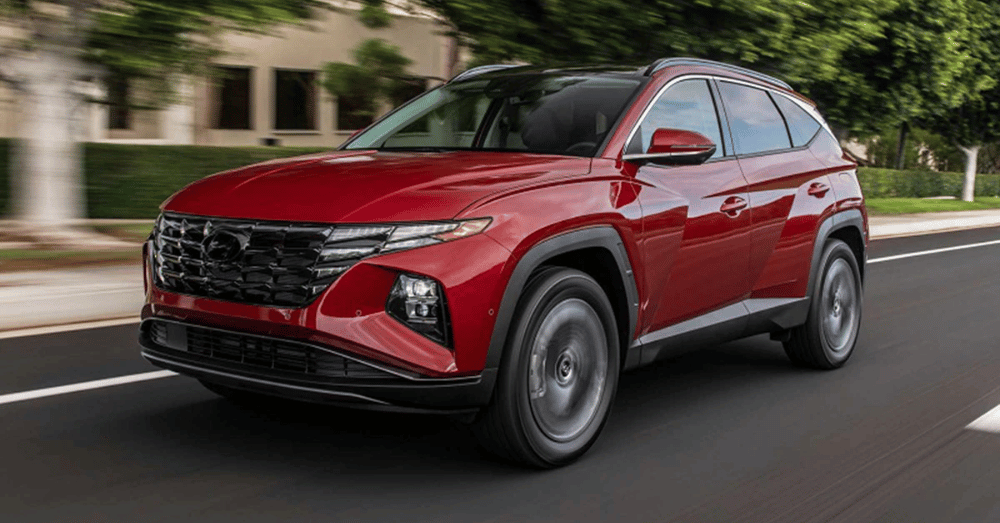
Hyundai Tucson models present an interesting value play. New versions come loaded with features that cost thousands extra on competing brands. Heated seats, leather upholstery, and fancy tech all show up at more affordable trim levels. Here’s the catch when you try to sell.
Hyundai vehicles depreciate faster than Toyota or Honda, losing about 42-46% of their value over five years. This steep drop works in your favor as a buyer of used cars, but hurts when you become the seller. Three-year-old Tucsons with low miles can cost $8,000-$10,000 less than the same vehicle did new. For buyers planning to keep a vehicle for 8-10 years, initial depreciation doesn’t matter much. You’re getting a well-equipped SUV at a serious discount.
Used Compact SUVs: Making the Smart Choice
Your best move depends on your timeline. Planning to trade in after three years? Stick with Toyota or Honda to maximize what you get back. Keeping it until the wheels fall off? Hyundai’s lower entry price and generous warranty make more sense. Mazda CX-5 splits the difference, offering better driving dynamics than Honda without Toyota’s price premium.
Check service records carefully on any used compact SUV. Well-maintained Tucsons beat neglected CR-Vs every time. Look for oil change receipts, tire rotation records, and evidence the owner actually cared about the vehicle. Simple clues like these reveal more than odometer readings.
That 3-5 year window remains the sweet spot when shopping for used compact SUVs. You avoid the worst depreciation while still getting vehicles with modern safety features like automatic emergency braking and blind spot monitoring. Most importantly, you’re buying something proven to last rather than gambling on the latest redesign.
This post may contain affiliate links. Meaning a commission is given should you decide to make a purchase through these links, at no cost to you. All products shown are researched and tested to give an accurate review for you.